Truemag

  • Newsletters
  • Thought Leadership
  • Mobility
  • Safety
  • Work Trucks
  • Videos
  • Home
  • Subscribe
  • Contact Us
  • Media Kit
  • Who We Are

Data: Self-Driving Cars Need Less Human Help Than in Past

VOA News

Self-driving car prototypes appear to be getting better at negotiating California streets and highways without a human backup needing to intervene, according to data made public Wednesday by California transportation regulators.

The data reflect safety-related incidents reported by 11 companies that have been testing more than 100 vehicles on public roads, primarily in the Silicon Valley neighborhoods where the technology has grown up.

The reports were made to California’s Department of Motor Vehicles, which posted them online.

The documents catalog the number of times from December 2015 through the end of November that humans took control from a car’s software for safety-related reasons.

Waymo shows improvement

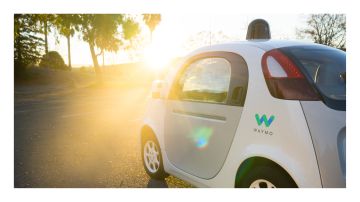
Waymo, as Google’s self-driving car project was recently rebranded, did far more testing than the other 10 companies combined.

Waymo reported that its fleet drove itself more than 635,000 miles with 124 safety-related “disengagements” — the equivalent of two incidents every 10,000 miles. That was a notable improvement over the prior year, when there were eight incidents per 10,000 miles.

A reportable disengagement happens when the technology fails or the backup driver takes control out of concern the car is malfunctioning.

Collisions must be reported

Though imperfect, the data are the best peek the public gets into the fiercely competitive world of self-driving cars and how the prototypes are performing. California required the disengagement reports as part of regulations governing testing on public roads. Separately, the state also requires companies to report any collisions involving its cars.

The Department of Motor Vehicles has been working on regulations that will define how the technology can be rolled out to the public when companies believe it is ready. When that will happen depends on several factors, including regulators’ readiness and company confidence the vehicles are safe.

Final rules due in six weeks

While Tesla’s Elon Musk has been bullish, talking about months rather than years, companies such as Waymo have suggested 2017 or 2018 is more realistic.

The state expects to release final version of the “public operation” regulations within six weeks, according to Melissa Figueroa, a spokeswoman for California’s top transportation official.

The Department of Motor Vehicles made public a first draft in December 2015, nearly a year after final rules were supposed to be in place, and has since revised the language based on developments at the federal level and input from industry and other groups.

 

Feb 6, 2017connieshedron
Doug Weichman, CAFM, to Direct Fleet Management for City of Gainesville, FLFirst Big German Customer Sues Volkswagen in Diesel Affair
Recent Posts
  • IMPROVLearning: How Comedy, Behavioral Science and AI Improve Fleet Safety
  • Improving Productivity with AI: Turning Fleet Data into Faster Decisions
  • National Safety Council Projects Increased Traffic Crash Risk during Fourth of July Weekend
  • Keep Every Heavy-Duty Maintenance Inspection on Track — Free Fullbay Checklist
  • Gain Data-Driven Insights into Commercial Vehicle Market Trends at Executive Leadership Summit
  • Last Chance to Save: Register for NAFA’s Maintenance Workshop
  • License Plate Cameras Are About to Start Tracking a Lot More Than Just Your Car
  • America’s Heavy EV Problem May End with Drivers Paying More
  • Trends in U.S. Drivers’ Perceptions and Attitudes Toward Vehicle Automation, 2019–2025
  • 2026 NETS Strength IN Numbers Conference: Early Bird Rates!
ASSOCIATION NEWS
Last Chance to Save: Register for NAFA’s Maintenance Workshop
How AFLA Is Positioning Itself for the Future of Fleet Mobility
‘Raise Your Hand and Get Involved’
NAFA Names 2026 Class of Fellows, Honoring Leaders in Fleet Management
Award Winners Honored at NAFA I&E
2026 NAFA I&E Seeks to Change Perceptions, Invigorate Fleets
NAFA Announces Lineup for Media Day at I&E 2026: Industry Leaders to Showcase the Latest Innovations
TECHNOLOGY
Improving Productivity with AI: Turning Fleet Data into Faster Decisions
Fleet Operations Are Changing – The Industry Needs to Evolve With Them
AI-Powered Vehicle Inspections Move Beyond the Checklist
Motive’s New Workforce Capabilities Aim to Improve Performance, Automate Rewards
AI + Human Insight: Why Fleet Leaders Need Both to Win in 2026
NTSB Finds Automation Overreliance Contributed to Two Fatal Ford BlueCruise Crashes
New AI Assistants Automate Fleet Data Analysis, Decision Making and More
CONFERENCES & WEBINARS
2026 NETS Strength IN Numbers Conference: Early Bird Rates!
AFLA 2026 – Keynotes Announced!
Private Fleets Flex at National Private Truck Council Conference
Free NAFA Webinar: Manage Your Fuel Cost Volatility
Registration Now Open for NETS Annual Conference
Early Bird Pricing for AFLA 2026 – Ending June 1
NAFA Online Seminar: Essentials of Fleet Management
INDUSTRY ANNOUNCEMENTS
Union Leasing Becomes Moventum Fleet Management as 70-Year Company Accelerates into Next Phase
Fleetio Wins Innovations Award at NAFA’s 2026 Institute & Expo
WIFM is heading to NAFA!
Cox Automotive Unveils Cox Fleet, Setting a New Standard for Fleet Uptime Nationwide
AFLA Canadian Fleet Professional of the Year Award: Nominations Open!
NAFA Webinar: Kickoff the 2026 100 Best Fleets Contest on December 4!
Join NAFA’s Free Fleet 101 Live Course

Fleet Management Weekly Newsletter Archive
Access to back issues of the FMW newsletter.

FMW Mobility
How mobility is rapidly changing the fleet management landscape.

Newsletter

Subscribe

FMW Fleet Videos
Video clips of industry leaders speaking on a variety of engaging hot topics in fleet.

2014-2020 © Fleet Management Weekly