
Photo: Carmen Robinson of Qmerit
By Fleet Management Weekly Staff
October 1, 2025
Through changing regulations and evolving technology, the shifting trend towards electrification continues to grow. Fleets that choose to electrify might do so for several reasons: regulatory compliance, lower maintenance, and operational costs, or even to meet sustainability goals. But whatever the reason, fleets usually face the same obstacle, which is the lack of charging infrastructure.
 Companies like Qmerit facilitate the electrification process by collaborating with fleets to ensure they remain charged. From take-home to business-based fleets, Qmerit designs the optimal charging solution tailored to each fleet’s specific needs. The company collaborates with Qmerit certified installers to implement charging stations both on-site and at drivers’ homes, providing fleets with a customized and affordable charging solution.
We interviewed Carmen Robinson, Senior Vice President for Residential Solutions at Qmerit, to discuss how Qmerit operates and how the current climate around electrification has affected fleets.
Tell me about Qmerit.
Qmerit is North America’s leading implementer of electrification technologies, with a focus on simplifying electrification for businesses and homes. We have a network of more than 24,000 certified electricians and contractors, so we’re unique in our ability to blanket the U.S. and Canada with implementation and integration services that are both high-tech and high touch. We also have close partnerships with the major automakers in addition to electricians and contractors, fleet management providers, utilities and charging equipment manufacturers – all with the goal of making it as easy as possible for companies to implement on-site or home-based EV charging solutions.
As corporate America converts to electric vehicles, what are some of the latest developments streamlining the electrification process and helping lower costs? What are some of the advantages and challenges around electrification?
 From a macro perspective, I think the biggest development is how different business sectors in our economy, sectors that have never worked together, are coming together to form an electrification ecosystem. This ecosystem is knocking down the barriers to electrification, giving companies a single source for charging and other electrification solutions versus having to procure, price and implement it on a piecemeal basis. Automakers, electricians, equipment manufacturers and technology providers are starting to gel on behalf of the customer. I’m proud to say Qmerit has been pioneering the creation of this ecosystem. It’s the platform on which we base all we do for businesses and homes.
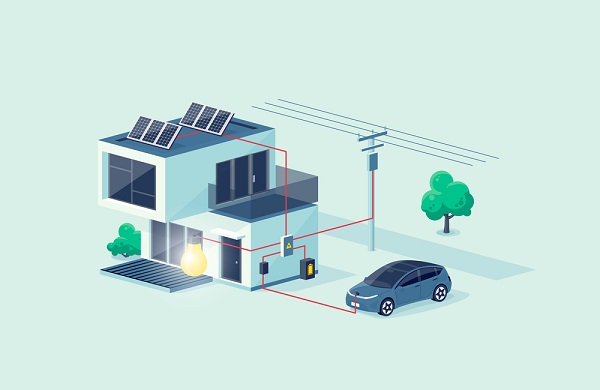 Regarding more micro developments – the advent of bidirectional charging can be a game changer. Bidirectional charging enables a company to not only put a charge into a car or truck, but to redirect the vehicle’s excess electricity to other sources. The company’s fleet is now not just a provider of transportation services, but a source of power for the organization. The company is less dependent on the grid and can even sell excess energy back to the utility – particularly when the charging system is integrated with onsite solar panels or wind turbines and battery storage.
When you think about it, this puts fleet management at the center of groundbreaking and enterprise wide change. These are exciting times for fleet professionals, especially if they approach the new opportunities with proper guidance and foresight on the options.
What are the advantages and disadvantages of installing charging stations on-site versus having employees charge their vehicles at home?
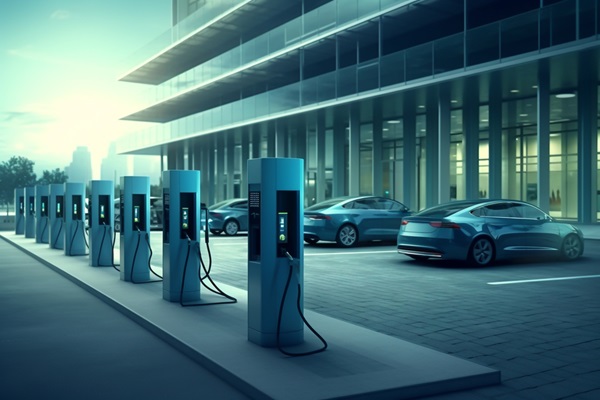
 It really comes down to the purpose of the vehicle. If they need to return trucks and cars to the workplace at night, let’s say for shipping and inventory management, then obviously an on-site charging depot is the best choice. If you have larger vehicles behind the gates or at the office park, then it makes sense to have both level two and level three chargers as part of this system. And, again, onsite charging creates a steppingstone for the organization to adopt solar panels and/or wind turbines and integrating it into the charging system. That can transform the enterprise into a self-sustaining microgrid, and with that all the cost and operational advantages of producing your own, clean-sourced energy onsite.
But when you have a large fleet of drivers with take-home EVs, workplace charging is less convenient than a home-based approach, which is one of our specialties.
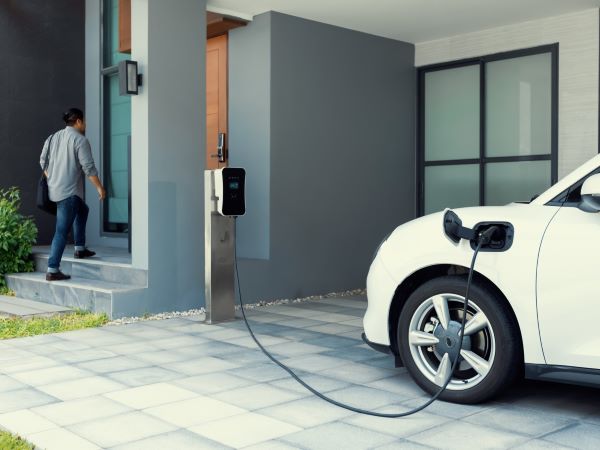 When a driver charges at home, they wake up with a full charge every morning without having to go to the office or a public charging station. They are free to go out and do their jobs without being distracted by charging issues. After they do their routes, service, and customer sales experiences, they can come home and charge at night when the electricity is cheaper.
And the microgrid concept is also possible here. Companies could develop programs that encourage their drivers to integrate solar panels and battery storage into their home charging system. That means the company’s fleet program could be a catalyst for creating more clean-burning and sustainable communities, in addition to individual cost savings and energy resiliency for individuals.
With a lot of challenges and uncertainty surrounding electrification at the moment, what advice do you have to offer fleets?
Today’s policy environment can certainly have a shorter-term effect on the world of electric vehicles and fleets, but we don’t see it changing the overall trajectory of the EV movement. That’s good news, as the value and benefits of electric driving remain unchanged. They’re fast, smooth, fun to drive, powerful, and have a low center of gravity.
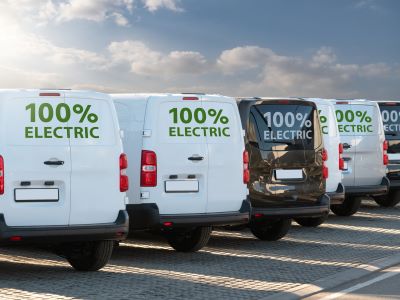 I would say what’s really changed, separate from policy, is that we have a greater variety of EVs than ever before, and more models equipped with bidirectional technology. We have great trucks with great range, lighter-duty sedans, small SUVs, etc. Politics has heightened the visibility of subsidies, requirements, and regulations, all of which are in flux. However, what we’re seeing is a consistently strong trend toward electricity.
The question of charging infrastructure is the more constant variable for companies when it comes to transitioning to electric vehicles. But it’s okay to ask questions because we have answers. We’ve worked with tens of thousands of take-home fleet customers, and we also have a commercial team that’s dedicated to the workplace sector.
I would encourage those fleets with concerns to give us a call. It might be easier than you expect. We probably already have the answer to the questions that you’re struggling with.
How does Qmerit differentiate itself from the competition?
Qmerit is unique for a few reasons, the first of which is our origin story. The executive and leadership teams have a blended experience level encompassing field service, managing large service organizations, and software development.
 And that leads me back to my opening point about a one-stop shopping experience. Our various skills and backgrounds have enabled us to forge powerful links with automakers, electricians, utilities, component manufacturers, and other sectors. That way, companies can turn to one source for all of the different elements that go into researching, buying, implementing, integrating, and maintaining a charging system, whether onsite or home-based.
Our goal is to simplify the process of electrification, and it takes a new ecosystem to do that, one that we’re working to forge and perfect every day for fleet managers and homeowners alike.