UPS boosting use of alternative powertrains; fleets also explore driverless tech.
by Paul A. Eisenstein on Jun.30, 2017
UPS has experimented with a variety of powertrain alternatives, and now wants more on the street.
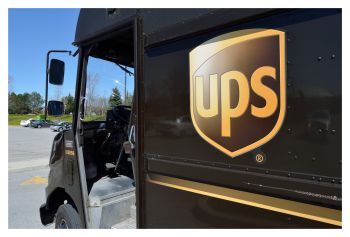
United Parcel Service says it wants more of its big, brown trucks to go green, the company planning to use alternative fuels and other clean, energy-saving technologies in about a quarter of its trucks by 2016.
That is expected to included everything from propane to battery-power, as well as LNG, battery-electric hybrids and even hydraulic hybrid powertrains. UPS isn’t alone, however. A growing number of fleet operators are looking at alternate powertrain technologies, as well as other high-tech systems such as driverless vehicles, which could help reduce costs while also improving the environment.
“Because of our size and scale, we know our commitments can shape markets, advance technologies and be a catalyst for infrastructure investments,” said UPS Chairman and CEO David Abney.
Big Brown, as it sometimes called, already operates 8,300 vehicles using alternative powertrain technologies, out of a total global ground fleet of 114,000 trucks, vans, tractors and even motorcycles.
The Nikola One heavy-duty rig will be able to travel up to 1,200 miles on a tank of hydrogen.
Along with shifting the source of power used by many of its vehicles, UPS said it will use alternatives to conventional gasoline and diesel for 40% of its “ground fuel” needs by 2025, up from 19.6% today.
The big delivery service isn’t alone in searching for alternatives. Earlier this year, energy solutions provider Plug Power Inc. shipped its first ProGen fuel-cell engine to UPS rival FedEx. While just the first part of a test of hydrogen power, it does offer some potential advantages over battery technology, notably by eliminating so-called “range anxiety, said Plug Power CEO Andy Marsh.
Hydrogen, of course, has its own challenges, notably a lack of a supply infrastructure. But start-up truck manufacturer Nikola Motors is betting there could be big demand for clean fuel-cell trucks if it can address both the chicken and the egg issue. It recently unveiled a prototype of the long-range semi-truck, the Nikola One, it will put into production in a couple years. The Salt Lake City-based start-up also plans to set a hydrogen and production network, including the price of that fuel in the cost of its new truck.
Toyota also is working up a hydrogen truck concept which it says could find a natural fit at the two major ports serving the City of Los Angeles. Diesel trucks operating in the Ports of Los Angeles and Long Beach are some of the biggest contributors to the region’s smog problems, so Toyota’s proposal has generated strong interest from regional regulators and port operators.
Government backing, especially if there is financial support, could provide motivation for fleets to make the switch to clean energy. But experts say fleets, such as UPS and FedEx, have their own financial incentives.
It wouldn’t take more than a few extra miles per gallon – or the alternative to such gains – to justify replacing conventional diesel and gas truck power. Today’s long-haul semi-trucks are lucky to get five to six miles a gallon. For a vehicle clocking 200,000 miles a year, getting up to just 10 mpg would push savings into five-digit territory.
Tesla, meanwhile, wants to get into the heavy truck game with a battery-powered semi it plans to unveil in September. Daimler AG is also testing several battery truck models through its various divisions.
Meanwhile, a number of shipping firms and other fleet operators are looking at switching to autonomous and even fully driverless trucks. Daimler subsidiary Freightliner is currently testing its Inspiration self-driving heavy hauler in Nevada. Start-up driverless truck company Otto – now owned by Uber – made headlines a year ago hauling a load of Budweiser across Colorado.
The potential benefits are significant, according to a study released by consulting firm Roland Berger:
*A fully automated truck would see fuel consumption reduced by as much as 10;
* Eventually, crashes would become a thing of the past, plunging from an average 222 per million vehicle miles in 2000, to just eight by 2040;
* Drivers would experience less boredom and could optimize their rest periods.
Fully driverless vehicles, meanwhile, could yield major savings in operating costs.
It’s no wonder that trucking companies like UPS are exploring many of the same technologies driving the passenger car said of the transportation industry. The payoff could come in terms of reduced fuel bills, improved safety and lower operating costs. Reducing the use of fossil fuels and creating lower emissions would only be added benefits.