By Luke Tonachel, Director, Clean Vehicles and Fuels Group, Climate & Clean Energy Program, NRDC
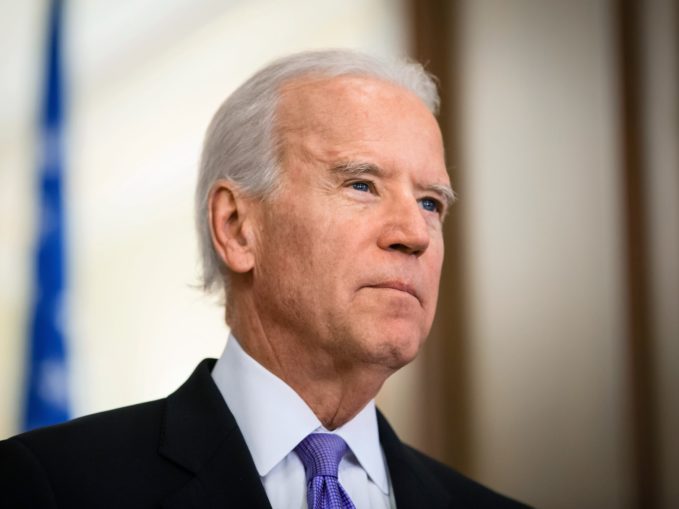
President Biden is following through on his promise to re-establish the long-held authority of governors to adopt vehicle pollution regulations to protect the health and welfare of people in their states. The Biden EPA today proposed reinstating a Clean Air Act waiver that allows states to enforce vehicle tailpipe standards that are stronger than federal standards. This action is key to ensuring that clean vehicle innovation continues, regardless of who is in-charge in Washington.
States Are Clean Vehicle Innovators
The states are innovators and leaders in addressing tailpipe emissions that lead to smog, soot and climate change. The state standards have been key drivers in advancing the technologies to clean up gasoline cars and diesel freight trucks while also ramping up much-needed deployment of zero-emission electric vehicles.
Congress recognized this fact more than fifty years ago. In 1970, Congress enacted provisions in the Clean Air Act that allow California to set vehicle pollution regulations stronger than federal standards and to allow other states to adopt those California standards. Since then, this provision has been used repeatedly to reduce dangerous air pollution in states.
Today, California and 13 states (New York, Massachusetts, Vermont, Maine, Pennsylvania, Connecticut, Rhode Island, Washington, Oregon, New Jersey, Maryland, Delaware and Colorado) representing over 35% of the US market have state clean car standards. Minnesota, Nevada and Virginia are also in the process of implementing them.
State standards are important nationally, too. As state standards have spurred commercialization of clean vehicle technologies, the federal government has often realized that these safeguards should be available to all Americans, and common-sense federal standards were put in place that followed the states’ lead.
Biden Administration Should Work with States on Bold National Standards
President Biden’s landmark and necessary goal to reduce carbon pollution by 50-52% by 2030 requires bold action to bring about a historic shift to zero-emitting vehicles.
New federal standards for passenger cars and light truck sales should be adopted to achieve a 60% reduction in emissions on average by 2030 compared to today’s new vehicles. The standards should also put the auto industry on path to 100% zero emission vehicle sales by 2035. Eliminating pollution from new vehicles within 15 years is critical for both improving peoples’ health right away and achieving net zero carbon emissions by 2050.
Governors of a dozen states recently called on the Biden administration to set standards to ensure all car sales are zero-emissions by 2035. Federal standards will increase the scale of clean vehicle efforts and bolster the actions already taken by states to set standards, provide consumer incentives and deploy electric vehicle charging stations.
Fifteen governors have also come together on a Memorandum of Understanding to zero out freight truck pollution. California has adopted an Advanced Clean Truck rule zero-emission program to phase out polluting trucks and New Jersey has started efforts to also adopt it. Setting standards for heavy-duty vehicles is another no-brainer for federal action to dramatically clear the air, especially in communities near highways and freight hubs teeming with dirty diesel trucks. The Biden administration should set standards requiring all new heavy-duty vehicles to be zero-emission by 2040, with certain local and regional applications (like delivery vans, school buses and transit buses) going full electric even earlier.
Strong standards are the foundation to spurring investment by vehicle manufacturers, parts suppliers and infrastructure builders that will reduce pollution and create jobs. They can go hand-in-hand with President Biden’s American Jobs Plan to put electric vehicle jobs into high gear.
By moving to reinstate the waiver, President Biden is recognizing the value of state leadership by standing up for their authority. Clearly the states are not standing still or waiting, but now is the opportunity for the federal government to partner with state leaders to accelerate the equitable and job-creating path to clean vehicles.