By Ed Pierce, Fleet Brand Acceleration
April 15, 2026
Fleet managers are hearing a familiar yet increasingly urgent message from truck manufacturers: delaying the purchase of new equipment will likely increase costs. Volvo Group has recently made that warning clear, but the sentiment is widespread. Throughout the commercial vehicle industry, OEMs are indicating that a combination of economic, regulatory, and operational factors is setting the stage for higher truck prices and reduced availability in the near future.
A Warning That Reflects Structural Change, Not Sales Pressure
At first glance, this messaging might sound like a typical sales tactic aimed at speeding up orders during a slow freight period. However, a closer look shows a more complex and structural change taking place—one that fleet managers cannot ignore.
An Aging Fleet Is Driving Hidden Costs
 The foundation of this outlook starts with fleet age. Over recent years, many fleets postponed equipment replacements due to supply chain disruptions, high interest rates, and uncertain freight demand. Consequently, the average age of Class 8 trucks has increased noticeably. Older equipment leads to predictable results: higher maintenance costs, more downtime, and lower operational efficiency. What might seem like a cost-saving delay in capital spending often results in higher total ownership costs over time.
Demand Is Rebuilding—Quietly but Quickly
At the same time, demand patterns are quietly changing. Even in a relatively weak freight market, order activity has started to pick up. This shows a growing awareness among fleets that aging equipment needs to be replaced—and delaying it further could increase costs and risks. Historically, when demand begins to recover after a downturn, it does so quickly, often surpassing available production capacity. The result is a familiar cycle: limited build slots, decreased incentives, and higher prices.
Higher Costs Are Becoming the New Baseline
Layered on top of this cyclical trend is a more structural problem—one that is changing the cost of trucks at a basic level. Over the past few years, the cost to build commercial vehicles has gone up a lot. Material costs, labor, and supply chain issues all stay high compared to pre-pandemic times. Additionally, modern trucks are becoming more advanced, with new electronics, telematics, and safety features that add both value and expense.
EPA 2027: A Defining Inflection Point
 Perhaps the most important factor, however, is regulation. The upcoming EPA 2027 emissions standards mark a pivotal point for the industry. These rules will require advanced emissions control technology, raising both the initial costs and the engineering complexity of heavy-duty trucks. While OEMs continue to improve their approaches, the trajectory is clear: compliance will not be inexpensive. As a result, fleets can anticipate a significant increase in vehicle prices as the industry shifts to these next-generation platforms.
The Return of the Pre-Buy Cycle
This regulatory change is already affecting purchasing behavior. In the past, significant emissions reforms have sparked “pre-buy” cycles, where fleets speed up their purchases ahead of new standards to avoid higher costs and potential operational uncertainties. Early indicators show that this pattern is starting to recur. As more fleets aim to secure pre-2027 equipment, manufacturing capacity could quickly become constrained, further driving up prices.
Allocation Risk Is Back in Play
Compounding the problem is the reality of allocation. In today’s environment, securing production slots is not guaranteed. OEMs are increasingly prioritizing loyal, long-term customers, and fleets that skip the ordering cycle risk losing their spot in line. For fleet managers, this adds a new level of risk—not just the cost of a truck, but whether it will be available when needed.
Why This Feels More Urgent Than in Passenger Vehicles
 While passenger vehicle manufacturers face many common pressures—rising costs, regulatory demands, and technological shifts—the impact is sharper in the commercial truck sector. Heavy-duty truck production is more capacity-constrained, more cyclical, and more affected by regulatory changes. For fleet operators, the effects are more immediate and operationally critical.
A Convergence of Forces That Fleets Can’t Ignore
Together, these factors explain why OEM messaging has become more urgent. This isn’t just about selling more trucks quickly. It shows a mix of forces that will likely change the cost and availability of equipment in the coming years. For fleets, the risk isn’t only that prices will go up, but that waiting too long could eliminate options altogether.
Best Practices: How Fleet Managers Should Respond Now
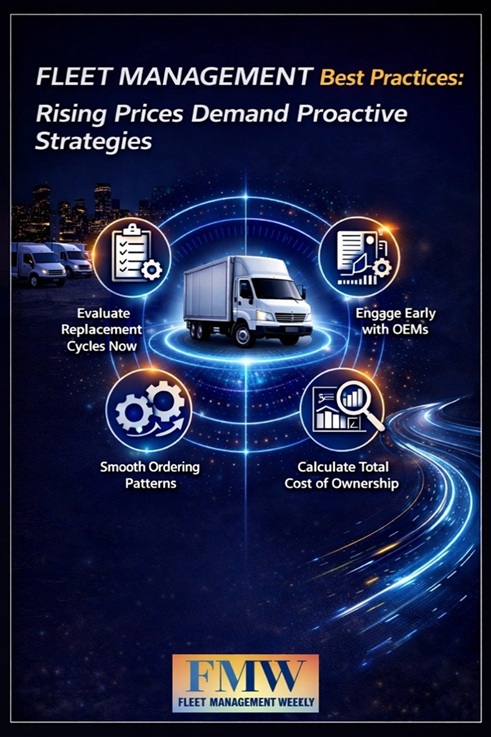
The key message for fleet managers is clear: this is a time that requires proactive planning instead of reactive decision-making. Waiting for ideal market conditions might no longer be a practical approach. Instead, fleets should assess their replacement cycles now, considering not only current budget limits but also future cost trends and regulatory deadlines.
Maintaining consistency in procurement strategies is essential. Instead of delaying purchases hoping for better conditions, fleets should consider smoothing their ordering patterns to avoid being caught in a sudden demand surge. Connecting early with OEMs and logistics partners to secure build slots and coordinate delivery timelines can help reduce allocation risks.
 Equally important is maintaining a disciplined focus on total cost of ownership. Decisions should consider not just the purchase price but also maintenance costs, downtime risks, and operational efficiency. In many cases, replacing aging vehicles earlier can lower overall costs, even in a higher-price environment.
Fleets should also prepare for the upcoming regulatory transition by staying informed about EPA 2027 developments and assessing how new technologies might affect operations, maintenance practices, and driver experience. Exploring flexible transport and deployment strategies that ensure vehicles arrive fully prepared for service can further reduce downtime and enhance readiness.
Ultimately, the warning from Volvo Group and its peers is less about urgency for its own sake and more about timing. The industry is entering a period when cost, capacity, and compliance are all trending in the same direction. Fleet managers who act intentionally—and early—will be best positioned to handle what comes next.
 About the author
Fleet marketing expert and consultant Ed Pierce is an editor at Fleet Management Weekly. He can be reached at 484-957-1246 or [email protected].