Truemag

  • Newsletters
  • Thought Leadership
  • Mobility
  • Safety
  • Work Trucks
  • Videos
  • Home
  • Subscribe
  • Contact Us
  • Media Kit
  • Who We Are

Avoid Buying a Flood-Damaged Car by Taking These Important Steps

NY Daily News

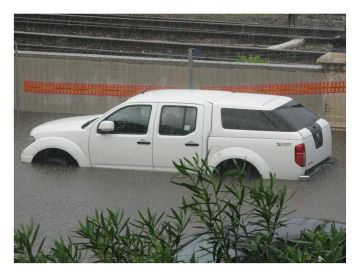
When floods such as the one that recently submerged parts of Louisiana occur, they leave damage that lingers long after the waters abate.

Lives are lost, homes are ravaged, and neighborhoods are forever changed. Even after the repairs are made, scars of the disaster remain, though they may not be immediately visible to the naked eye.

This kind of profound yet obscure damage is especially prevalent in the vehicles affected by these floods.

According to information published by Automotive News, as many as half of all vehicles damaged in floods return to the market. These vehicles may seem as capable as any other car at first glance, but looks can be incredibly deceiving.

Depending on how deeply the vehicle was submerged, flood damage can leave a car with a host of issues and complaints that will linger for years to come.

Water can irreversibly harm a car’s electronics, and since modern cars rely heavily on their computers, this damage can lead to everything from brake problems to steering issues. Flood submersion can also ruin a car’s interior in ways that may not be immediately obvious. A car that’s been caught in a flood can also develop rust and corrosion, and if the vehicle was flooded with salt water, the corrosion will be even swifter and more destructive.

If you’re purchasing a used car, one way to avoid flood-damaged vehicles is to simply check the title. A car that has been severely damaged in a flood will likely carry a salvage title. Some salvage cars can provide good value, but all flood-damaged cars should be avoided if you place any importance on a vehicle’s reliability. If you’re purchasing a car with a salvage title, ask questions to ensure it didn’t get this title as a result of flood damage.

Still, not all flood-damaged vehicles bear salvage titles, due to a practice known as title washing. Title washing occurs when steps are taken to erase evidence of damaging events in a car’s past, and it frequently happens with vehicles maimed by floods. Different states have different laws when it comes to reporting flood damage, and if someone wanted to change a car’s status, they could do so by moving to a state with laws that are less stringent in this area.

For example, some states require all vehicles that have been submerged in water to reflect this on their titles, while others call for flood damage to be reported only if an insurance company has paid a total-loss flood claim. There are even states in which flood damage isn’t legally required to be disclosed on a vehicle’s title.

Title washing is driven by a desire to maximize profit. It allows vehicle owners to sell flood-damaged cars at higher prices, and this is why the practice is so pervasive.

Read more of the original article at NY Daily News.

Sep 8, 2016connieshedron
Ushering in a New Era at NAFADave Lodding: The Boutique of Fleet Management Companies
Recent Posts
  • IMPROVLearning: How Comedy, Behavioral Science and AI Improve Fleet Safety
  • Improving Productivity with AI: Turning Fleet Data into Faster Decisions
  • National Safety Council Projects Increased Traffic Crash Risk during Fourth of July Weekend
  • Keep Every Heavy-Duty Maintenance Inspection on Track — Free Fullbay Checklist
  • Gain Data-Driven Insights into Commercial Vehicle Market Trends at Executive Leadership Summit
  • Last Chance to Save: Register for NAFA’s Maintenance Workshop
  • License Plate Cameras Are About to Start Tracking a Lot More Than Just Your Car
  • America’s Heavy EV Problem May End with Drivers Paying More
  • Trends in U.S. Drivers’ Perceptions and Attitudes Toward Vehicle Automation, 2019–2025
  • 2026 NETS Strength IN Numbers Conference: Early Bird Rates!
ASSOCIATION NEWS
Last Chance to Save: Register for NAFA’s Maintenance Workshop
How AFLA Is Positioning Itself for the Future of Fleet Mobility
‘Raise Your Hand and Get Involved’
NAFA Names 2026 Class of Fellows, Honoring Leaders in Fleet Management
Award Winners Honored at NAFA I&E
2026 NAFA I&E Seeks to Change Perceptions, Invigorate Fleets
NAFA Announces Lineup for Media Day at I&E 2026: Industry Leaders to Showcase the Latest Innovations
TECHNOLOGY
Improving Productivity with AI: Turning Fleet Data into Faster Decisions
Fleet Operations Are Changing – The Industry Needs to Evolve With Them
AI-Powered Vehicle Inspections Move Beyond the Checklist
Motive’s New Workforce Capabilities Aim to Improve Performance, Automate Rewards
AI + Human Insight: Why Fleet Leaders Need Both to Win in 2026
NTSB Finds Automation Overreliance Contributed to Two Fatal Ford BlueCruise Crashes
New AI Assistants Automate Fleet Data Analysis, Decision Making and More
CONFERENCES & WEBINARS
2026 NETS Strength IN Numbers Conference: Early Bird Rates!
AFLA 2026 – Keynotes Announced!
Private Fleets Flex at National Private Truck Council Conference
Free NAFA Webinar: Manage Your Fuel Cost Volatility
Registration Now Open for NETS Annual Conference
Early Bird Pricing for AFLA 2026 – Ending June 1
NAFA Online Seminar: Essentials of Fleet Management
INDUSTRY ANNOUNCEMENTS
Union Leasing Becomes Moventum Fleet Management as 70-Year Company Accelerates into Next Phase
Fleetio Wins Innovations Award at NAFA’s 2026 Institute & Expo
WIFM is heading to NAFA!
Cox Automotive Unveils Cox Fleet, Setting a New Standard for Fleet Uptime Nationwide
AFLA Canadian Fleet Professional of the Year Award: Nominations Open!
NAFA Webinar: Kickoff the 2026 100 Best Fleets Contest on December 4!
Join NAFA’s Free Fleet 101 Live Course

Fleet Management Weekly Newsletter Archive
Access to back issues of the FMW newsletter.

FMW Mobility
How mobility is rapidly changing the fleet management landscape.

Newsletter

Subscribe

FMW Fleet Videos
Video clips of industry leaders speaking on a variety of engaging hot topics in fleet.

2014-2020 © Fleet Management Weekly