By Sharath Muddaiah, Head of Portfolio Strategy for IoT Solutions, Giesecke+Devrient
November 20, 2024
The Internet of Things (IoT) has reshaped the automotive fleet industry, modernizing how fleet vehicles operate and interact with their environment. Cellular connectivity serves as the backbone for IoT innovations in these connected vehicles, enabling a range of data-driven services that enhance functionality and safety. From a fleet industry perspective, IoT creates a network of interconnected devices that collect, share, and analyze data to improve fleet vehicle performance. This interconnectedness facilitates real-time communication among vehicles, infrastructure, and cloud systems, driving enhancements in efficiency and user experience. All of this has a direct impact on the OEMs, lenders, dealers, fleet operators and other service providers such as repair shops and replacement parts retailers.
 A prime example is the eCall system, which automatically contacts emergency services after a severe accident, transmitting critical data via cellular networks. As fleet vehicles increasingly rely on cellular connectivity, the need for reliable, high-speed networks becomes critical, supporting applications, like real-time diagnostics, navigation, and predictive maintenance.
The Critical Role of Hardware Security in Connected Vehicles
As connectivity becomes increasingly vital in modern vehicles, robust security measures are essential. Hardware security elements, such as SIM cards, play a crucial role in safeguarding connected fleet vehicles against cyber threats. These components offer multiple benefits, including power equalization to mitigate power analysis attacks, clock monitoring to prevent glitching, and temperature sensors to detect environmental manipulation.
 Additionally, features like circuit line encryption, light sensors, random delays, and double calculation techniques provide further layers of protection against various cyber-attacks. Integrating these hardware security features enables manufacturers to create a formidable barrier against threats, ensuring data integrity and system security. As the automotive fleet industry continues to embrace IoT and cellular connectivity, implementing these robust hardware security measures is paramount for maintaining consumer trust and vehicle safety.
Navigating the Complexities of IoT Connectivity in Vehicle Fleets
While IoT offers significant potential in the automotive fleet industry, managing connected devices presents challenges, primarily the need for reliable cellular connections. According to a 2023 industry report, 400 million connected vehicles worldwide are projected by 2025, highlighting the scale of IoT management challenges.1 Security risks, including hacking and data breaches are also major concerns.
Innovative Cellular Solutions Driving the Future of Connected Vehicles
 Cellular technology innovations are key enablers for connected vehicle fleets, improving data transmission rates, reducing latency, and enhancing the overall driving experience. With advancements in 5G technology, vehicles can process vast amounts of data in real time. This capability enables features such as advanced driver-assistance systems (ADAS), which improve safety and efficiency. For instance, real-time traffic data can optimize routing, while vehicle-to-vehicle (V2V) communication allows cars to share information about road conditions and hazards.
These advancements are modernizing individual fleet vehicles into an interconnected community of devices. Trusted data exchange enables vehicles to rely on information from unknown parties, significantly enhancing overall efficiency and safety. This shift toward a collaborative ecosystem marks a fundamental change in how we perceive and interact with vehicles on the road. For example, a car can now benefit from the experiences and observations of hundreds of other vehicles that have recently traveled the same route, providing up-to-the-minute information on traffic conditions, potential hazards, or optimal routes.
 As IoT devices become more prevalent in vehicles, securing data is essential. End-to-end encryption, secure communication protocols, and comprehensive cybersecurity frameworks for cellular networks are necessary to protect against unauthorized access and ensure data integrity. By implementing secure provisioning of connected devices through cellular networks helps mitigate risks, OEMs can safeguard connected devices from potential threats and maintain the trustworthiness of shared data within the vehicle community.
Furthermore, developing industry-wide standards for data security is critical. Such standards will help ensure that OEMs adhere to best practices in protecting user information, creating a safer environment as the number of connected devices continues to grow.
Seamless IoT Device Management Through Cellular Networks
Cellular networks play a vital role in managing connected IoT devices within vehicles, allowing for secure onboarding, timely updates, and remote-control capabilities.
Understanding the ‘right time’ for vehicle upgrades is crucial in this connected ecosystem. Ideally, updates should be performed when there is optimal 5G connectivity, typically during regular journeys such as the commute between home and work.
 Artificial Intelligence (AI) also plays a significant role in this process by analyzing typical traffic patterns and determining the ideal time needed for an update. This intelligent approach ensures that upgrades are carried out efficiently, minimizing disruption to the driver’s routine while maximizing the benefits of the latest software improvements.
As vehicles evolve into complex ecosystems featuring numerous smart devices, the ability to manage updates and functionalities remotely is essential. This ensures that fleet vehicles are equipped with the latest technology, improving safety and performance while minimizing the need for physical service appointments.
Pushing the Boundaries of Automotive IoT with Emerging Cellular Technologies
Emerging cellular technologies, such as network slicing and edge computing, are set to drive future innovations in automotive IoT. These 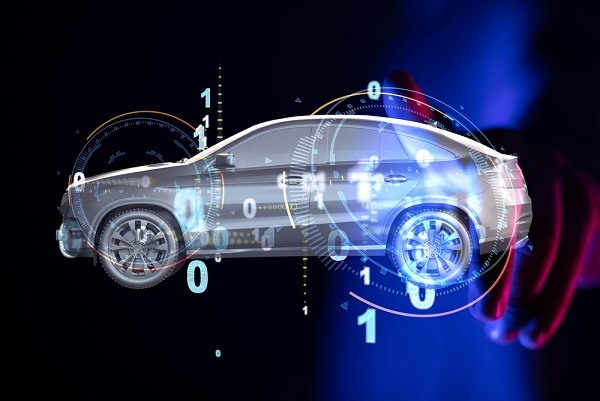 technologies will revolutionize vehicle interactions with their environment, enabling vehicles to make real-time decisions based on vast data inputs.
As autonomous vehicles continue to develop, these advancements in cellular technology will be crucial. Real-time data processing and low-latency communication will further enhance vehicle safety and connectivity.
Entertainment of the Future: Redefining the In-Vehicle Experience
The future of in-vehicle entertainment is also poised for a change, with connectivity as the critical enabler. As we progress toward fully autonomous vehicles, cars will evolve into mobile entertainment hubs offering immersive experiences through Augmented Reality (AR), Virtual Reality (VR), and Artificial Intelligence (AI).
High-speed, low-latency cellular connectivity will support these advanced technologies, ensuring seamless experiences. We’re already seeing early signs of this shift with technologies like Dual SIM Dual Active (DSDA) and the ability to start cars using smartphones.
 As autonomous driving becomes more prevalent, new opportunities for engagement will emerge, such as AR windshields overlaying navigation information, VR experiences transforming commutes, and AI-powered systems curating personalized entertainment.
Regulatory Trends Shaping the Future of Connected Cars
As the automotive fleet industry embraces these advancements, evolving regulations and standards governing cellular IoT will be essential in shaping the future of connected vehicles. Regulatory bodies are increasingly focused on frameworks that ensure safety, security, and interoperability among various IoT devices.
 A key area of regulatory focus is the implementation of eSIM technology and connectivity management solutions. Regulatory bodies are working to establish standards for eSIM implementation in vehicles, ensuring interoperability and security across different networks and service providers.
Connectivity management platforms are also coming under regulatory scrutiny. These platforms, which allow OEMs to monitor and control cellular connectivity in their vehicles, must adhere to strict data protection and privacy regulations.
As consumer awareness regarding data privacy grows, regulations will likely become more demanding. Manufacturers will need to manage these issues while ensuring that their products remain compliant and secure, balancing innovation with user trust. This includes implementing robust data protection measures for eSIMs and connectivity management systems, as well as providing transparent information to consumers about how their data is collected, used, and protected in connected vehicles.
The Long-Term Impact of Cellular-Enabled IoT on Vehicle Safety and Efficiency
As technology changes, we can anticipate significant improvements in fleet vehicle safety, fuel efficiency, and user experiences. Improved connectivity will enable vehicles to communicate with each other and infrastructure, reducing traffic congestion and improving road safety. Additionally, advancements in data analytics will allow for more personalized driving experiences, tailored maintenance schedules, and increased overall efficiency.
 About the Author
Sharath Muddaiah is the Head of Portfolio Strategy for IoT Solutions at Giesecke+Devrient (G+D), a global SecurityTech company headquartered in Munich, Germany. For more information, please visit www.gi-de.com/en/