By James Mourafetis, Partner and Head of Transportation, Logistics and Services at EFESO
July 29, 2026
The discourse surrounding fleet optimization often centers on technology shortcomings. Fleet managers are constantly looking for solutions that support better routing, enhanced telematics, improved forecasting, or more granular visibility. While the tooling is important, the most immediate source of capacity for many supply chain and transportation leaders is not a new platform or a larger fleet. It is surfacing the underutilized capacity within their existing assets.
 In today’s market, fleet optimization requires a broader definition. It is no longer about vehicles moving more efficiently but ensuring they are available, reliable, and productive for longer periods of time. Research shows annual costs related to U.S. business logistics have surpassed $2.6 trillion as the sector comes to grips with rising operating costs, flat business volumes and idle vehicles. These headwinds are making it difficult for organizations to source more equipment and in turn forcing leaders to extract more value from the assets they own.
It is time for supply chain and transportation leaders to evolve legacy operating models and modernize their approach to fleet optimization. This requires an integrated asset management strategy that improves operating performance by establishing a repeatable system, moving maintenance upstream, and leveraging technology to augment supply chain and labor productivity.
Establishing a Repeatable Operating System
Most fleets have a series of dashboards or reporting tools that provide decision makers with extensive data into operations. The challenge is figuring out how to improve the usability of that information to allow for data-driven decision making. A comprehensive fleet optimization model that leverages data begins with a performance management cadence to connect executive priorities with the day-to-day realities of organizational operators.

.
Leadership should hold regular cross-functional performance discussions that bring together members from different units, such as maintenance, engineering, procurement and finance, to analyze key metrics. The goal is to identify areas for improvement and eliminate bottlenecks and address systemic productivity issues that are tied to key performance indicators like asset availability, maintenance turnaround time, overtime, and safety.
Site managers should conduct similar forums on a daily basis to review performance, identify missed opportunities, analyze root causes, and implement countermeasures. These short meetings are the tip of the spear for the plan, do, check, act (PCDA) driven process. This enhances day-to-day performance and creates a consistent feedback loop from the frontline to the leadership team. This management rhythm is what drives consistent results and establishes an operating system that turns data from a passive reporting tool to an optimization asset.
Moving Maintenance Upstream
Utilizing data within the operating system allows fleet organizations to conduct reliability deep dives and transform maintenance from a reactive task to a preventative and predictive practice.
 The highest performing fleets reduce the need for avoidable and unavoidable repairs, which requires insight into the most frequent failures, the assets requiring the greatest amount of maintenance and the breakdowns leading to widespread operational disruption. Fleet managers can compile this data and action it by assigning cross-departmental teams consisting of maintenance, engineering, parts, and operations to address the root cause of the identified problems once and for all.
The process of instituting permanent corrective actions and shifting maintenance to preventative work is where fleet optimization becomes tangible. Reducing the number of repeat failures shrinks service disruptions, road call volume, and necessary overtime. It also elevates the role of engineering and technical support by empowering them to work directly with the teams solving persistent challenges and validating troubleshooting capabilities. This is critical to reducing downtime as it shortens the distance between the problem and the people who are in place to fix it.
The Parts Room is the Supply Chain within the Supply Chain
Another key to improving fleet uptime is storeroom performance and ensuring the right part is available when needed. The parts room is often viewed as a back-office function but it has a direct impact on productivity and asset availability.
 When inventory accuracy is poor, preventative maintenance schedules slip, technicians wait for parts and vehicles are shelved for extended periods of time. The fleet absorbs these costs through increased downtime, fragmented workarounds, and overtime.
Organizations should implement a model that treats the storeroom as a supply chain node. This is an important mindset shift for executives, as it reinforces the understanding that fleet optimization extends beyond vehicles. It includes material, information and labor flow that determines if those vehicles are available.
Modernizing the storeroom with lean practices, such as visual management, value-stream mapping, prioritization of critical parts and 5S (sort, set in order, shine, standardize, and sustain), reduces wait times, improves inventory accuracy and availability, and limits vehicle downtime.
Labor Productivity is a Strategic Constraint
Labor flow is a critical element of fleet optimization that impacts nearly every component of the operating system, which makes wrench time a boardroom issue. As vehicle technology becomes increasingly sophisticated, the skill expectations for technicians continues to rise.
 Fleets need increased visibility into how maintenance labor is planned and used, and whether labor standards and work-order discipline are being enforced. Productivity dashboards can deliver the insights leaders need to determine where time is being lost on a granular level that includes role, location, shift, or technician group.
While measurement is valuable to the feedback loop, it is not enough to enact significant change. Fleet organizations need high-performance frontline leadership that have the authority to manage execution. This includes active supervision and training, expectation-setting and accountability, workforce engagement and team-based problem solving. These efforts will determine if a new process is successful once it goes from boardroom concept to shop floor reality.
Technology Must Amplify the Operating System
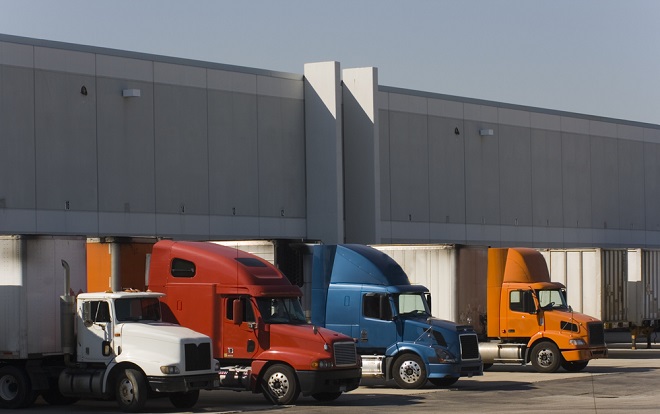
Every fleet has an owned and usable set of capacities. Owned, or visible, consists of assets that can include tractors, trailers, delivery vans, and service vehicles. Usable capacity is the percentage of those assets that is available for daily use and meets the necessary safety and compliance requirements for deployment when demand arrives. The gap between owned and usable capacity is where the most performance is lost.
 Technology investments, including those related to analytics, automation, AI-enabled planning and maintenance, deliver the most value when they are integrated into the broader operating system as opposed to fragmented solutions. They should help leaders identify constraints sooner, prioritize work based on business objectives, forecast and improve preventative maintenance and balance labor to limit disruption.
However, technology alone cannot compensate for an operating system that lacks accountability, planning discipline, or execution routines. Fleet leaders must have a well-defined operating model with a standardized management cadence, clean data, and a well-trained frontline for the technology to support the scaling of work.
The next era of fleet optimization will not be won by organizations that solely increase their owned capacity, add new tech solutions, or launch one-off efficiency initiatives. It will be won by organizations that build a repeatable operating system for availability, reliability, labor productivity, and parts readiness — and make that system part of how the business runs every day.
About the author
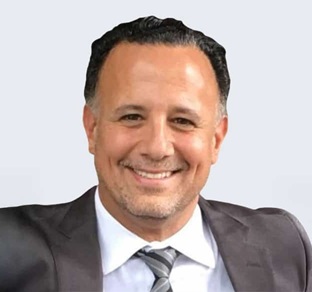 James Mourafetis is a Partner and Head of Transportation, Logistics and Services at EFESO, where he helps transportation and fleet-focused organizations improve the performance of their most critical assets. With more than 30 years of experience across North America and globally, James has worked with transit operators to improve on-time performance, reliability, asset availability, infrastructure resilience, and workforce productivity. A trusted advisor and frequent speaker, he is widely recognized for his practical approach to Operational Excellence and Enterprise Asset Management, as well as his ability to make complex operational challenges easier to understand and act on.