

By Demetra Markopoulos, SVP of Fleets at ServiceUp

Demetra Markopoulos of ServiceUp
Commercial fleets are going through several major transformations—from the types of vehicles on the road to the expanding role of data and analytics. Some of these shifts are responses to significant challenges for fleet managers, such as high turnover rates and rising total cost of ownership (TCO). While these challenges are considerable, there are many ways managers can navigate them successfully in 2026 and beyond.
It’s vital for fleet managers to stay on top of the trends in their industry. In 2026, those trends include: 1) electrification and the shift to cleaner alternative fuels, 2) vehicle and route optimization leveraging data and analytics, 3) a focus on driver loyalty and training, and 4) addressing TCO through fleet right-sizing. The managers who understand these trends will be in a stronger position to improve operational efficiency, retain drivers, and reduce costs.
Shifting toward electrification and clean vehicles
The adoption of low and zero-emissions vehicles will continue to gain momentum in 2026, driven by regulatory pressure and the demand for greater sustainability. For example, California’s Advanced Clean Fleets regulation requires state and local fleets to transition to zero-emissions vehicles (ZEVs), and ten other states have adopted the rule. The EPA’s Phase 3 Greenhouse Gas standards will require new heavy-duty vehicles to meet more stringent emissions requirements starting in 2027.
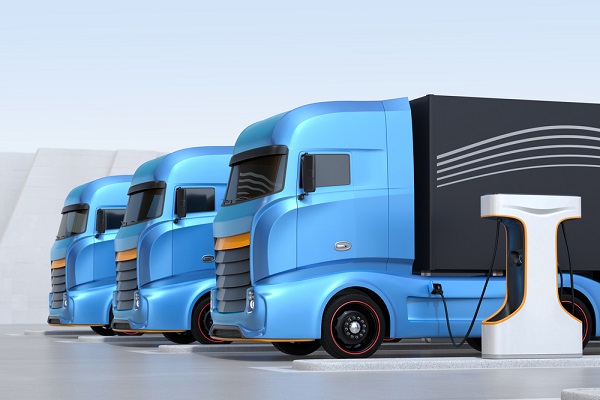 The trend toward low and zero-emissions vehicles will continue. According to McKinsey, electric new truck sales will surge over the next decade, and a key element of this transition will be the development of infrastructures such as charging and alternative fuel stations to support sustainable fleets. A recent report by Bloomberg NEF and the Smart Freight Centre explains that “infrastructure expansion and policy actions mean electric trucks are already cost competitive in some countries and use cases.”
As companies focus on hitting environmental, social, and governance (ESG) targets, building more sustainable fleets will be a priority. These are all reasons why fleet managers should expect the shift to cleaner vehicles to continue.
Data and analytics are becoming more crucial
At a time when TCO is a central focus for commercial fleets, leveraging data, AI and predictive analytics to optimize vehicles and routes is no longer optional. Fifty-eight percent of fleets already use telematics or some other connected vehicle solution, while 18 percent are considering adoption within the next year. This is no surprise, as data and analytics can help fleets cut costs and downtime, maximize utilization, and improve route efficiency.
 The top outcome fleet managers say they’re pursuing with telematics is “improved asset management and utilization.” Managers can use data analytics to take a more proactive approach to repairs and maintenance by detecting and addressing mechanical problems before they become costly failures. Repair and maintenance costs are rising and the total cost of repair (TCR) extends far beyond shop invoices—from vehicle downtime to administrative overhead. Beyond the deployment of telematics, these costs can be reduced by consolidating platforms, using fewer systems that streamline approvals (to schedule preventive maintenance, for instance) and improve vendor management.
The global commercial vehicle telematics market is projected to reach over $130 billion by 2030, while other forms of digital transformation are seeing rapid adoption. Expect this process to accelerate in 2026.
Fleets managers are focusing on their drivers
People are the number one asset for any fleet, and the managers who prioritize driver support and retention will have a critical competitive advantage. Many fleets face high turnover rates, while a looming driver shortage is being driven by an aging workforce (the average truck driver in the United States is 46 years old). It’s clear that fleet managers need to attract drivers—including from younger generations—while maintaining the loyalty of drivers they already have.
 There are several ways for fleets to become more driver-focused. For example, the adoption and effective integration of new, user friendly technology is essential. Aside from asset management and utilization, the top reason fleet managers cite for deploying telematics is “improved driver safety and security.” By closely monitoring vehicle health and scheduling preventive maintenance, managers can avoid breakdowns—which aren’t just expensive but can also be dangerous. Data and analytics can be used for route planning, which will improve drivers’ productivity and avoid frustrating inefficiencies.
Fleet managers can attract and retain drivers with flexible scheduling, investments that keep equipment running smoothly and safely, and accessible training for multi-generational drivers. This will be especially important as fleets continue to digitize. At a time when technology is integral to fleet operations, it should always be easy for drivers to use—and never a burden.
Many fleets are prioritizing right-sizing
Every fleet manager wants to improve asset utilization and slash costs. Right-sizing will help managers pursue these goals, as long as they approach the process with a clear and informed strategy. This strategy should be the outcome of a data-driven process that considers a wide range of variables, such as asset performance and utilization.
 Reducing TCO is a top priority for fleet managers in 2025, and this will remain the case next year. When fleet managers extend asset lifecycles—with preventive maintenance, better route planning, and improved utilization—they can cut TCO while deploying vehicles more effectively. Fleet right-sizing is a key performance lever, including knowing when to strategically defleet. Fleet managers are increasingly exploring “Mobility as a Service,” such as shared or multi-use models because it helps them avoid many costs associated with static ownership while improving utilization.
Fleet managers recognize that their industry is undergoing a series of major shifts, from a sweeping digital transformation to the adoption of electric and clean-energy vehicles. By deploying technology effectively, taking care of their people, and driving down TCO with a focus on strategic initiatives like right-sizing, managers will be better prepared for whatever comes their way in 2026.