

By Sarah Bechtold, eDriving
March 25, 2026
As winter fades and spring approaches, many fleet managers breathe a quiet sigh of relief. Snowstorms subside, daylight stretches longer, and road conditions appear more forgiving. But beneath the surface, spring represents one of the most underestimated risk periods of the year for fleet operations.
Seasonal transitions introduce subtle—but significant—changes in driver behavior, road conditions, and cognitive demand. Fleets that fail to recalibrate their safety strategies during this period often see spikes in incidents that could have been prevented with proactive planning.
As fleets move into spring, now is the time for a risk reset—one that recognizes seasonal exposure not as a weather problem, but as a behavioral one.
Why Spring Driving is Riskier Than it Looks
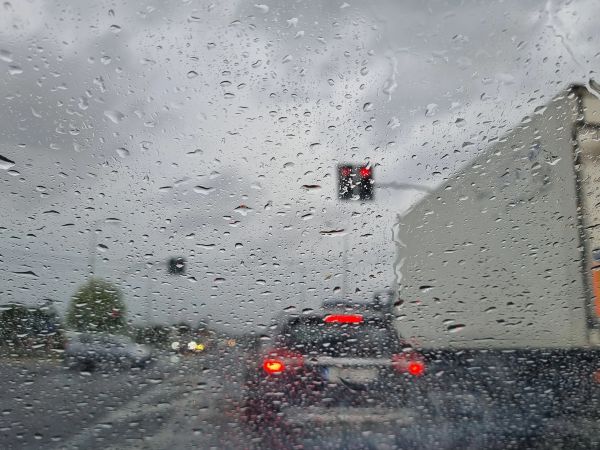 Spring hazards don’t always announce themselves dramatically. Instead, they appear quietly:
- Drivers become less vigilant after months of winter caution
- Rain replaces snow, creating slick roads with less visual warning
- Construction zones return, altering familiar routes
- Wildlife activity increases, especially during dawn and dusk
- Potholes and uneven pavement emerge after winter damage
At the same time, drivers experience a psychological shift. After months of defensive winter driving, confidence rises—and with it, speed, distraction, and complacency.
The result is a perfect storm: improving conditions paired with declining vigilance.
Behavior, Not Conditions, Drives Seasonal Risk
 While spring hazards are environmental, crashes are still driven by behavior. Speeding through wet intersections, checking phones in traffic congestion, or misjudging stopping distance during sudden rainstorms all trace back to driver decision-making.
This is where traditional seasonal safety messaging often falls short. Reminders to “watch for rain” or “slow down” lack personalization and fail to account for individual risk patterns.
What fleets need instead is a behavior-based approach that identifies which drivers are struggling during seasonal transitions—and why.
Using Predictive Insight to Spot Spring Risk Early
 Platforms like Mentor by eDriving help fleets see seasonal risk shifts before incidents occur. By analyzing driving behaviors and trends through the FICO® Safe Driving Score, fleets can identify early warning signs such as:
- Rising speeding frequency as roads appear clearer
- Increased phone handling during longer daylight hours
- Aggressive acceleration in construction zones
- Reduced following distance in stop-and-go spring traffic
Because the score updates regularly, fleet managers can track whether behavior is improving or deteriorating—allowing for timely, proactive intervention rather than reactive correction.
Turning Insight Into Action Through Micro-Coaching
Spring is not the time for heavy-handed enforcement. Drivers respond better to guidance that feels relevant, supportive, and achievable.
 Mentor delivers proactive, individualized feedback paired with short, science-based micro-training that helps drivers recalibrate habits without overwhelming them. These targeted interventions reinforce awareness precisely when behavior starts to drift—before a near miss becomes a collision.
For supervisors, aggregated insights support more productive coaching conversations focused on improvement rather than discipline.
A Smarter Way to Approach Seasonal Safety
Rather than launching a broad spring safety campaign, consider a layered approach:
- Identify seasonal behavior shifts using scoring trends
- Deliver targeted coaching to drivers showing elevated risk
- Reinforce awareness around construction, rain, and wildlife
- Recognize drivers who maintain or improve safe habits
Spring safety isn’t about starting over—it’s about resetting expectations.
The Bottom Line
 Seasonal transitions test driver adaptability. Fleets that recognize spring as a behavioral risk period—and respond with data-driven, human-centered strategies—are better positioned to reduce incidents before summer exposure begins.
With Mentor by eDriving, fleets can move confidently into spring with insight, empathy, and proactive safety at the core.
