By Tod Trousdell, Fleet Marketing Consultant and Partner/RobertsTrousdell Communications
May 7, 2025
Welcome to Fleet Pro Focus, where we ask in-depth questions of some of fleet’s biggest influencers and trend setting personalities. In this edition we chat with industry veteran Gary Mott, President of FLD Remarketing, the recipient last month of the National Vehicle Leasing Association’s (NVLA) prestigious Samuel J. Lee Memorial Award, which recognizes his more than 30 years of service to the fleet and leasing industries.
Hi Gary. It’s been a while and I know the readers want to hear what you’ve been up to – you’ve got a lot of friends out there. Ready for our questions?
Thanks Tod, yep, good to see you and thanks for the kind intro. You’re right, I’ve been in the industry a long time so it doesn’t surprise me that people may be wondering what I’ve been doing lately. For starters we’ve been busy at FLD Remarketing as so much has changed since the pandemic. For an industry that was basically the same for a long time, the last 5 years have been anything but. So yes, ready to give the readers my thoughts – fire away!
How and when did you get involved with fleet and what is your current position?
 I first got involved with the used vehicle industry in the late ’80s, starting out by washing and detailing vehicles on a used car lot in Woodburn, Indiana, a small town of about 1,200 people. The lot sourced a significant portion of its inventory from a company called 88 Fleet, which essentially did what our company – FLD – does today. This experience marked my first introduction to commercial fleet and the complexities of remarketing bank and lease inventories.
The owners of 88 Fleet—Joe Fox, Bill Laparo, and Bill Henderson—were instrumental in shaping my understanding of the business model and the fleet industry. As I became more familiar with their operations, I also started getting involved with the association formerly known as NAFRD (National Association of Fleet Resale Dealers) and began to interact with several companies within the fleet remarketing space, including Fleet Lease Disposal (now FLD).
In the early 1990s, I reached out to Michael Sheinson, the owner of FLD and after a series of conversations, we decided to meet in person. I was so young that I couldn’t even rent a car when I got ready to travel to see him. He had to arrange for it – which threw him off I think because he never thought he was dealing with a 21-year-old during all of those conversations!
 During my visit to FLD, Michael, Ron Breslow, and I spent time together pricing vehicles, making reconditioning decisions, and selecting cars for auction. That day marked the beginning of a mentor-student relationship, and the following day, in December of 1991, I was offered a job and officially joined the team in February 1992.
Interestingly enough – 33 years later – I’m still deeply involved in fleet remarketing and (my) journey from washing cars to being President of FLD still involves a lot of learning, growing, and mentoring.
What’s your take on the current state of fleet and any thoughts you have on the industry?
The fleet industry is at yet another crossroads. While in the past, the focus was primarily on technology and sustainability, we’re now seeing a shift toward issues like near-shoring, inflation, and tariffs. These factors are reshaping how we manage and remarket vehicles. The impact of global supply chain disruptions has created a new set of challenges—ranging from vehicle availability to cost pressures—which has forced fleet operators to adjust their strategies.
 Near-shoring, for example, is becoming a bigger focus as companies seek to bring more manufacturing closer to home to avoid some of the risks associated with global supply chains. Meanwhile, inflation and tariffs are influencing vehicle prices, impacting both procurement and resale values, and leading to tighter margins for fleet managers and remarketers.
That said, the future of the fleet industry is still incredibly exciting. The key will be how we innovate and adapt to these new challenges while leveraging technology to streamline operations, improve efficiencies, and stay competitive. It’s a time for the industry to be both flexible and forward-thinking, ready to capitalize on the opportunities that come with change. Innovation, collaboration, and strategic adaptation will be critical moving forward.
Thinking back on your career, who were some of your mentors or the people who helped you along the way?
Great question, I’m fortunate to have had many mentors and influential figures who shaped my path. Aside from the individuals I mentioned within our organization, there were several people I really learned a great deal from but especially Frank Grochal of Automotive Rentals, Inc., Jon Rancourt of LeasePlan, Brian Garner of PHH, and Greg Janus of Nations Banc. There was also a woman named Karen whose last name my old brain won’t let me remember, but she was very influential in my early career.
 These individuals helped me understand the importance of risk management, market creation, and the role of technology in expanding the industry’s capabilities. In the 90s and early 2000s, most remarketing operations relied on a mix of direct auctions, third-party resale dealers, and retail outlets. The collaboration across these sectors created a more dynamic and resilient market.
From the Auction side of things, there were several key figures who taught me invaluable lessons on vehicle pricing, auction strategy, and operations, like Carl Miskotten of Ft. Wayne Vehicle Auction, JD Larsh of Anglo, ADT & IAA, and Bob Gwiazda of Lakeland Auto Auction. In the Commercial Fleet world, I had the privilege of working with some exceptional people, including Ron Smith (of) Smith & Associates, Chuck Norman at Cherokee Publishing, Janice Sutton of Fleet Management Weekly, Chuck Parker of the Automotive Information Network and Mike Antich of Bobit.
 Each of these individuals shared their expertise, offered guidance, and pushed me to think creatively about fleet management and remarketing. Together, all of these mentors and colleagues influenced how I approach the industry today. They were not just great professionals but also generous with their time and insights, and I truly value the role they played in my development. Their guidance taught me not only the technical aspects of the industry but also the importance of relationships, collaboration, and staying adaptable as the industry evolves.
Do you have a creed or professional or personal philosophy you live and work by?
The statement “Patience, Politeness & Perseverance” was my Dad’s creed and he instilled it in me and my brother from a young age. To be honest, I didn’t fully grasp the meaning behind it. I wasn’t the most patient person, and I would often get frustrated when things didn’t happen as quickly as I wanted or when outcomes weren’t what I expected.
 But as I’ve grown older, I’ve come to truly appreciate what he was trying to teach us. There’s a certain wisdom in knowing when to be patient, to allow time for things to unfold naturally. Sometimes, you have to give pause, let the universe work its magic, and trust that things will come to fruition in their own time. My dad’s no longer with us, but I hope he would be proud that I’ve learned from that.
Professionally and personally, I’ve found that patience, politeness, and perseverance are key to navigating challenges, building strong relationships, and achieving long-term success. It’s about understanding that things don’t always happen overnight and that persistence, coupled with respect for the process and others, leads to the best outcomes.
What most excites you about the future of fleet?
From a technology perspective, I’m really excited about how AI will start shaping the future of fleet, especially when it comes to consumer shopping for aged vehicles. The ability for AI to assist in assessing vehicle value, predicting market trends, and enhancing the buying experience will be game-changing. Moreover, I’m thrilled by the potential for small businesses to adopt these cutting-edge technologies—tools that were once only accessible to large, publicly traded companies. AI is democratizing access to advanced solutions, and I believe it will level the playing field for a lot of smaller operators in the fleet industry.
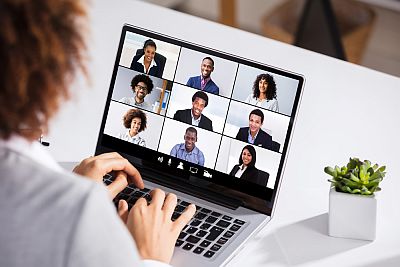 On the more human side, I think the future of fleet will hinge on how we engage with the next wave of industry professionals. For so many years, the industry has been built on relationships—handshakes, face-to-face meetings, and conference trade show floors. But as Baby Boomers and Gen Xers move toward retirement, the question becomes: how will the industry adapt to younger generations who are used to forming connections through devices, social media, and digital communication?
The challenge and opportunity will be how we balance the importance of relationships in this evolving landscape. While technology will change how we connect, the human element of trust and collaboration remains essential. The key will be finding new ways to build and maintain those relationships, even as the methods of engagement shift. I’m excited to see how the industry navigates this transition and continues to grow in ways that blend both technology and personal connection.
What do you like to do in your time off?
Growing up in an agricultural family, I’ve always had a deep connection to the land, and I still miss the feeling of turning the earth and working with my hands. The lyrics from the song ‘Where the Green Grass Grows’ – “watching my corn pop up in rows” – really resonate with me. While there isn’t much opportunity to do that here in South Florida, whenever I get the chance to go back to Indiana, they still let me run the combine, which is always a treat!
 On weekends, you’ll often find me in, on, or around the lakes in central Florida, as well as in northern Indiana. Those activities, whether it’s boating or just being near the water, are what ground me and give me a sense of peace and connection to nature.
In addition to my love for the outdoors, I’m also passionate about supporting local charities that align with my values, particularly those focused on children’s education in agriculture like the FFA (Future Farmers of America). Helping those in need and giving back to the community is something that’s always been important to me, and I try to contribute in ways that make a positive impact.
 About the author
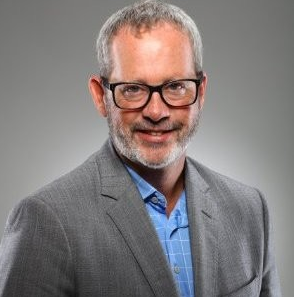
Tod Trousdell is a 35-year marketing veteran and has been advising fleet industry clients for the last 15 years on a variety of projects from brand strategy to research to insights and campaign development. He can be reached at [email protected].