

By Sarah Bechtold, eDriving
April 22, 2026
April is Distracted Driving Awareness Month, but for fleet managers, distraction isn’t confined to a calendar window. It’s a year-round challenge—and one of the most persistent contributors to crashes, near misses, and rising liability.
Despite hands-free laws, company policies, and widespread awareness, distraction remains stubbornly embedded in modern driving. The reason?
Distraction is less about devices and more about human behavior.
Understanding that distinction is essential for fleets looking to reduce risk in meaningful, lasting ways.
Why Traditional Anti-Distraction Efforts Fall Short
 Most distraction initiatives focus on prohibition: don’t text, don’t scroll, don’t take calls. While necessary, these rules ignore the reality of today’s drivers, who operate in highly connected, cognitively demanding environments.
Distraction often isn’t intentional—it’s habitual. Quick glances, multitasking under pressure, or overconfidence in one’s ability to “handle it” all play a role.
Without addressing the psychology behind distraction, enforcement alone rarely changes behavior.
The Many Faces of Distraction
Distraction doesn’t look the same for every driver. For some, it’s phone handling. For others, it’s cognitive overload from tight schedules, navigation demands, or fatigue.
Behavioral data reveals patterns such as:
- Increased phone interaction in low-speed traffic
- Distraction spikes during familiar routes
- Longer reaction times during late-day driving
- Multitasking behaviors following stressful deliveries
Recognizing these patterns is the first step toward effective intervention.
Behavior-Based Detection Changes the Conversation
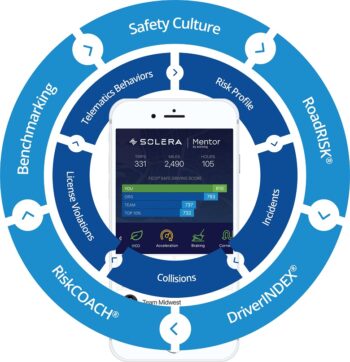 Mentor by eDriving helps fleets identify distraction trends through behavioral analysis and the FICO® Safe Driving Score, highlighting when and where distraction risk is increasing.
Rather than labeling drivers as “unsafe,” the platform enables constructive conversations grounded in data—creating opportunities for learning rather than defensiveness.
Drivers receive proactive, individualized feedback that helps them recognize habits they may not even realize they’ve formed.
From Awareness to Accountability—Without Punishment
One of the biggest challenges fleets face is balancing accountability with trust. Heavy surveillance breeds resistance; no oversight breeds risk.
Mentor strikes the balance by:
- Encouraging self-awareness through personal scoring
- Providing short, targeted training that fits into daily routines
- Supporting supervisors with coaching insights—not just alerts
- Reinforcing improvement through recognition and gamification
This approach shifts distraction management from rule enforcement to behavior ownership.
Building a Culture That Reduces Distraction Naturally
 Distraction declines when drivers feel supported, not scrutinized. Fleets that reduce distraction successfully often share three traits:
- Clear communication about expectations and data use
- Coaching focused on growth, not punishment
- Leadership modeling distraction-free behavior
Technology enables visibility—but culture determines outcomes.
The Takeaway
Distraction isn’t a problem fleets can solve with policy alone. It requires understanding human behavior, supporting drivers through change, and reinforcing safer habits consistently.
April offers a natural checkpoint—but the work continues all year. With Mentor by eDriving, fleets can address distraction where it starts: with people.
To learn how Mentor by eDriving can help your fleet reduce distracted driving, click here.
